


When Lubrication Is the Boundary Between Equipment Health and Wear
At the heart of every industrial system lies a fundamental principle: intelligent maintenance. Among all maintenance practices, the timely replacement of industrial lubricants is one of the most vital and impactful actions. At first glance, a simple oil change may not seem like a significant task. However, the reality is that this small action can dramatically extend the lifespan of your machinery, prevent millions in damages, and preserve the overall quality of performance.
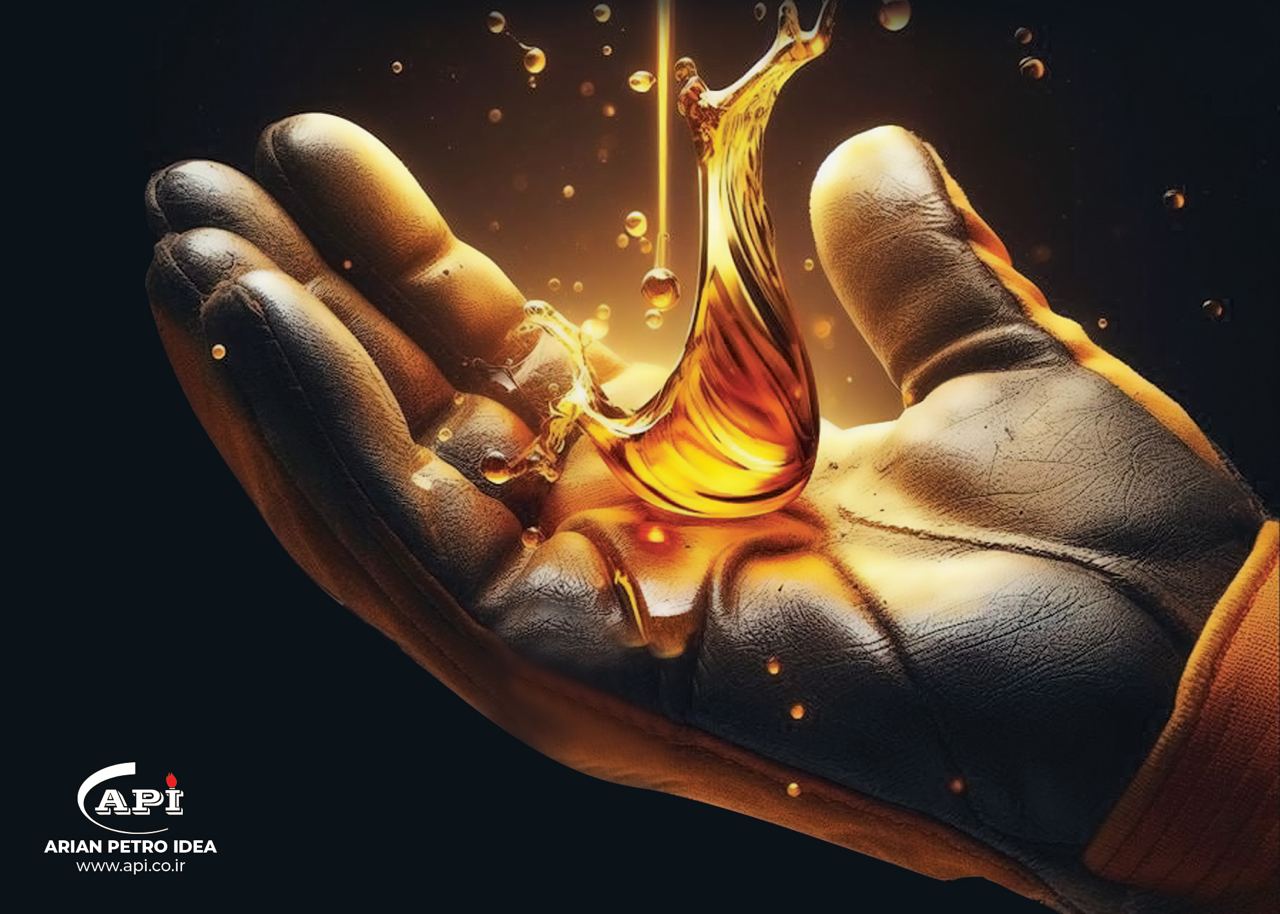
Lubrication: The Front Line of Defense for Industrial Equipment
Industrial lubricants have functions that are far more extensive than we imagine:
- Reducing friction between moving parts
- Preventing direct metal-to-metal contact
- Dissipating heat generated by the system's operation
- Absorbing and transporting contaminant particles
- Preventing rust and corrosion
However, all of these functions are only maintained as long as the oil retains its original quality. After a period of use, the oil becomes saturated with contaminants, loses its viscosity, and can no longer properly protect the system. This is precisely where the importance of timely replacement becomes critical.
Direct Impact on Factory Productivity
Fresh oil means equipment that runs cooler, smoother, faster, and more efficiently.
When machines are properly lubricated, they don't need to expend extra energy to overcome friction or heat. This directly leads to lower energy consumption, fewer breakdowns, and increased production. Simply put, timely oil changes result in cost savings and increased revenue.
Reducing Wear on Expensive Components
In many industrial machines, bearings, gearboxes, heavy-duty engines, pumps, and compressors have a vital need for high-quality oil. Delayed oil changes can lead to the premature wear of these components. The cost of repairing or replacing them can range from tens to hundreds of millions of Toman. Prevention is always cheaper than a cure!
Direct Impact on Temperature Control and System Safety
Machines operating in high-temperature environments are prone to overheating. The right oil plays a key role in transferring heat and controlling temperature. If the oil loses its properties, the machine gradually heats up, efficiency drops, and in severe cases, it could even lead to a fire. In sensitive industries like petrochemicals or steel, this is a serious warning.
Waste Management and Environmental Standards
A key aspect of timely oil changes is adhering to industrial waste management principles. Used oils contain heavy metals, oxidized compounds, and harmful substances. Companies that change their oil diligently and on time are better able to comply with environmental regulations, avoiding fines and long-term damage.
When Should Industrial Oil Be Changed?
There is no single formula, but these key factors should be considered:
- Type of Oil Used: Mineral and synthetic oils have different lifespans.
- Machine Type and Operating Intensity: Heavy-duty work, high temperatures, or high pressure will require more frequent changes.
- Environmental Conditions: Dust, humidity, or extreme heat can shorten the oil's lifespan.
- Visual Inspection or Oil Analysis: Changes in color, a burnt smell, reduced viscosity, or visible contamination are all signs that should be taken seriously.
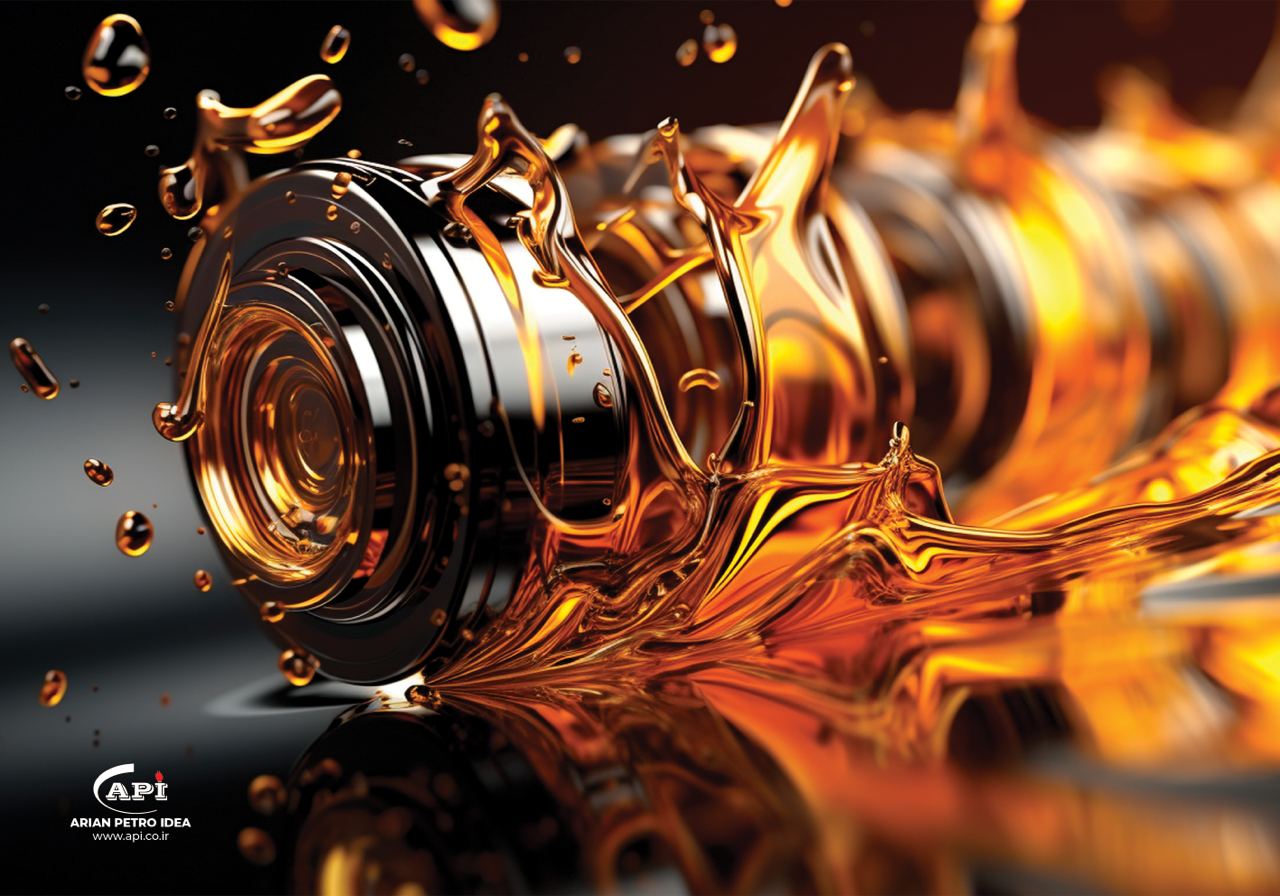
Choosing the right oil is the key to equipment health
A machine lubricated with the wrong oil is at risk of damage, even with timely changes. Therefore, consulting with an expert is vital for selecting the correct oil. Parameters such as:
- Appropriate Viscosity
- Thermal Stability
- Oxidation Resistance
Compatibility with the machine’s metalsmust be carefully considered and chosen based on the type of industry.
Expert Consultation from Arian Petro Idea
At Arian Petro Idea, we are not just lubricant suppliers; we are your dedicated partners and expert consultants. With a precise understanding of various industries, equipment brands, and your operational needs, we recommend the best lubricant—a product that is perfectly compatible with your working conditions, protects your machinery, and delivers peak performance.
Contact Us Now
Expert Consultation, Intelligent Choice, Sustainable Performance
Conclusion
In every industry, maintenance and repair costs can change the fate of a production line. Timely replacement of industrial oil is one of the most effective ways to reduce these costs, increase productivity, and extend the lifespan of equipment. However, this is only effective when it is accompanied by a precise understanding, the selection of the right oil, and a systematic schedule.


comments